
Building Leadership Teams in China: What Global Companies Must Know
As China moves deeper into advanced technologies, sustainable development and digital transformation, the demand for highly capable leadership has grown more intense than ever before. For multinational and high-growth companies, building strong leadership teams in China is no longer just about filling positions — it is about securing long-term competitive advantage. Understanding the unique dynamics of China’s talent market is essential for any organization looking to succeed.
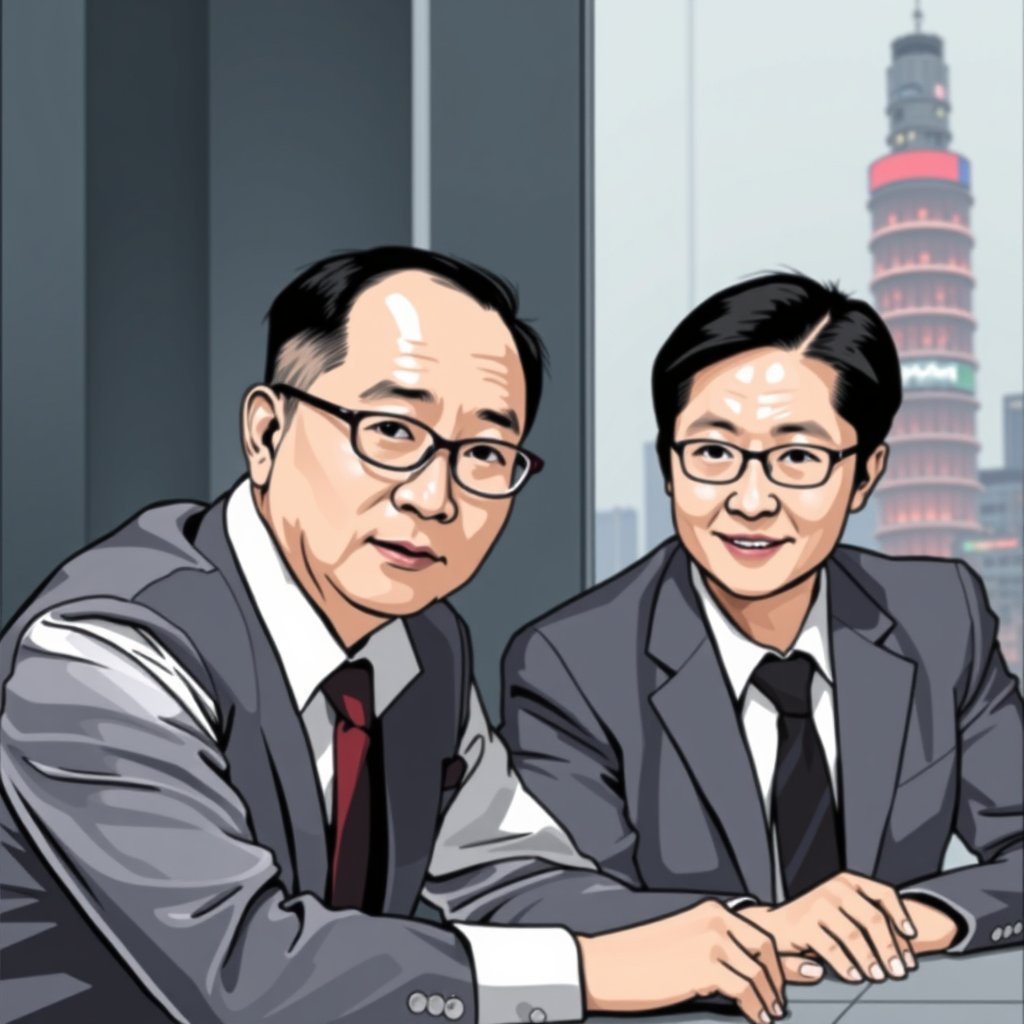
Understanding Leadership Expectations in China
In China, executive roles often extend beyond traditional management functions. Leaders are expected to balance business performance with government relations, local partnerships, innovation strategy, and team adaptation in a fast-evolving environment. Unlike many Western markets where leadership styles are relatively standardized, China requires a more adaptive, highly contextual approach. The most successful executives combine strong technical or commercial expertise with a deep understanding of cultural dynamics, stakeholder expectations, and rapid decision-making in complex environments.
In the future, adaptability, problem-solving ability and a continuous learning mindset will be as important as technical and industry knowledge. Companies will prioritize leaders who can pivot quickly, inspire diverse teams, and operate effectively in rapidly evolving environments.

The Challenge of Cross-Cultural Leadership
One of the biggest challenges for global companies entering or expanding in China is finding executives who can operate effectively in both international and local contexts. These leaders must be able to bridge communication gaps between headquarters and Chinese operations, align global strategy with local execution, and manage multicultural teams. Language skills alone are not enough; cross-cultural intelligence, sensitivity to leadership styles, and the ability to manage ambiguity play essential roles in determining executive success.
The ability to bridge the gap between headquarters and local teams, align global strategy with China-specific execution, and manage cross-border stakeholders will define the success of future leadership teams. This trend will significantly influence recruitment criteria and reshape what organizations consider “top talent.”

Why Local Market Intelligence Is Crucial
China’s talent landscape is highly fluid, with frequent movement of senior professionals across industries such as AI, semiconductors, new energy, biotechnology and advanced manufacturing. Without deep local market intelligence, companies risk targeting the wrong profiles or offering uncompetitive compensation. A specialized China headhunter brings up-to-date insight into compensation trends, candidate availability, competitor hiring activity and shifting talent priorities, enabling companies to make strategic and informed recruitment decisions.

The Strategic Value of a China Headhunter
Partnering with a professional China headhunter goes far beyond accessing a larger candidate pool. It is about leveraging a trusted advisor who understands where to find rare leadership talent, how to approach passive candidates, and how to assess both technical capability and cultural fit. In a competitive and confidential environment, a headhunter acts as a strategic bridge between global ambition and local execution, ensuring that companies build leadership teams that are strong, stable, and capable of driving sustainable growth in China.
Companies that invest in long-term talent planning and work closely with trusted executive search partners will gain a significant competitive advantage. These organizations will view leadership acquisition as one of their most important strategic levers, not simply a response to a vacancy.